Office:
200 Knuth Rd #238d - Boynton Beach, FL 33436
Phone Number
(561) 306-9584
Email
info@shinebritelemaster.com

Office:
200 Knuth Rd #238d - Boynton Beach, FL 33436
Phone Number
(561) 306-9584
Email
info@shinebritelemaster.com
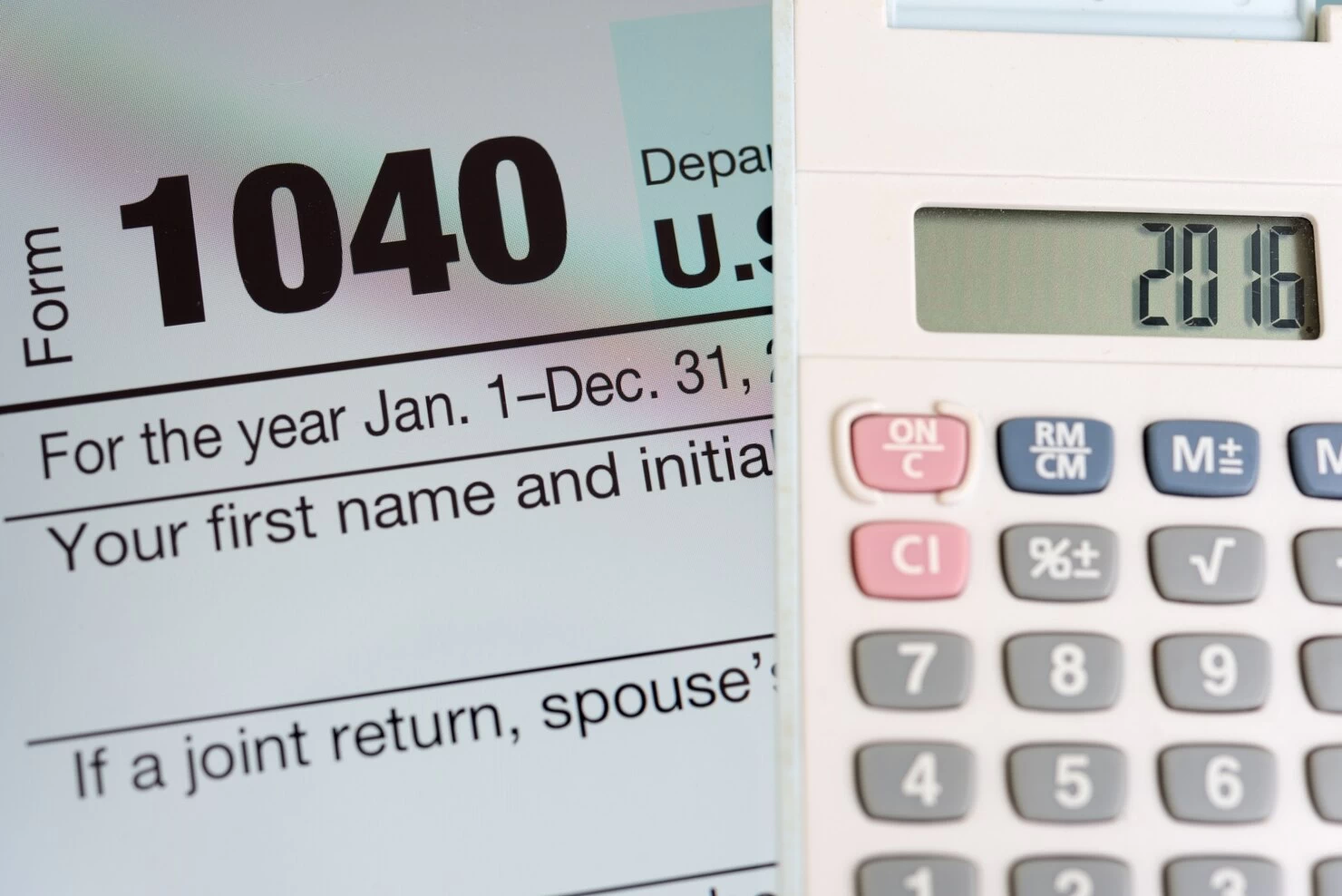
Preparing early for tax season can reduce stress, prevent costly mistakes, and improve your financial outcome. Whether you are filing as an individual or managing small business tax filing, organization and planning are essential. By following a structured checklist, you can simplify the process and ensure accurate tax preparation from start to finish.
Below is a practical guide to help both individuals and business owners get ready efficiently.
First and foremost, collect every document that reports income. Missing forms can delay filing or trigger IRS notices.
For individuals, this may include:
W-2 forms
1099 forms
Investment income statements
Retirement distributions
For business owners, documentation may also include:
Sales reports
Client invoices
Payment processor summaries
Additional 1099-NEC forms
Having complete income records supports accurate IRS tax compliance and prevents underreporting.
Next, compile documentation for deductible expenses. Proper organization helps maximize deductions while avoiding tax filing errors.
Individuals should gather records for:
Mortgage interest
Student loan interest
Medical expenses
Charitable contributions
Business owners should prepare:
Office expenses
Payroll records
Equipment purchases
Business mileage logs
Utility and rent payments
Accurate expense tracking plays a critical role in successful business tax preparation.
Before filing, review your prior return. This step helps you:
Identify recurring deductions
Confirm carryforward credits
Compare income changes
Spot missing documentation
Additionally, reviewing past filings supports better tax planning strategies for the current year.
Small mistakes can cause delays. Therefore, verify:
Social Security numbers
Business EIN details
Bank account information for direct deposit
Updated addresses
Ensuring this information is accurate reduces processing issues and refund delays.
For entrepreneurs especially, keeping finances separate is crucial. Mixing accounts can complicate calculations and increase audit risk.
Maintaining clear separation simplifies:
Expense categorization
Income tracking
Quarterly estimated payments
Overall small business tax filing
If accounts are currently combined, consider restructuring before the next tax year begins.
If you expect to owe taxes, begin setting funds aside early. Waiting until the filing deadline can strain cash flow.
On the other hand, if you anticipate a refund, ensure your banking details are accurate to avoid delays.
Proactive planning improves financial stability and reduces last-minute stress.
While some situations may appear straightforward, complex income streams, investments, or business operations often benefit from professional guidance.
Working with an expert in professional tax preparation helps:
Identify overlooked deductions
Reduce errors
Strengthen IRS compliance
Apply smart tax planning strategies
Improve overall accuracy
Professional review provides confidence that your return reflects your complete financial picture.
The best way to prepare for tax season is to gather income documents, organize expense records, review last year’s return, verify personal information, and consider professional tax preparation if your situation is complex.
Preparing for tax season does not have to be overwhelming. With a clear checklist, organized records, and proactive planning, both individuals and business owners can approach filing with confidence.
By focusing on accurate documentation, strong tax planning strategies, and timely preparation, you reduce stress, improve compliance, and maximize your financial outcome.
Starting early is the simplest and most effective step toward a smooth and successful tax season.
Individual Tax Preparation in Boynton Beach, Florida Business Tax Preparation in Boynton Beach, Florida Small Business Tax Filing in Boynton Beach, Florida Quarterly Estimated Tax Payments in Boynton Beach, Florida Tax Planning Strategies in Boynton Beach, Florida Individual Tax Preparation in Delray Beach, Florida Business Tax Preparation in Delray Beach, Florida Small Business Tax Filing in Delray Beach, Florida Individual Tax Preparation in Lake Worth Beach, Florida Business Tax Preparation in Lake Worth Beach, Florida Individual Tax Preparation in Lantana, Florida Business Tax Preparation in Lantana, Florida Individual Tax Preparation in Ocean Ridge, Florida Individual Tax Preparation in Gulf Stream, Florida Individual Tax Preparation in Hypoluxo, Florida Individual Tax Preparation in Briny Breezes, Florida Individual Tax Preparation in Boynton Beach, Florida Business Tax Preparation in Boynton Beach, Florida Small Business Tax Filing in Boynton Beach, Florida Self-Employment Tax Filing in Boynton Beach, Florida Quarterly Estimated Tax Payments in Boynton Beach, Florida Tax Planning Services in Boynton Beach, Florida IRS Notice Assistance in Boynton Beach, Florida Amended Tax Returns in Boynton Beach, Florida Professional Tax Preparation in Boynton Beach, FloridaIndividual Tax Preparation in Delray Beach, Florida Business Tax Preparation in Delray Beach, Florida Small Business Tax Filing in Delray Beach, Florida Self-Employment Tax Filing in Delray Beach, Florida Quarterly Estimated Tax Payments in Delray Beach, Florida Tax Planning Services in Delray Beach, Florida IRS Notice Assistance in Delray Beach, Florida Amended Tax Returns in Delray Beach, Florida Professional Tax Preparation in Delray Beach, FloridaIndividual Tax Preparation in Lake Worth Beach, Florida Business Tax Preparation in Lake Worth Beach, Florida Small Business Tax Filing in Lake Worth Beach, Florida Self-Employment Tax Filing in Lake Worth Beach, Florida Tax Planning Services in Lake Worth Beach, Florida Professional Tax Preparation in Lake Worth Beach, FloridaIndividual Tax Preparation in Lantana, Florida Business Tax Preparation in Lantana, Florida Small Business Tax Filing in Lantana, Florida Tax Planning Services in Lantana, FloridaIndividual Tax Preparation in Ocean Ridge, Florida Business Tax Preparation in Ocean Ridge, Florida Professional Tax Preparation in Ocean Ridge, FloridaIndividual Tax Preparation in Gulf Stream, Florida Business Tax Preparation in Gulf Stream, Florida Professional Tax Preparation in Gulf Stream, FloridaIndividual Tax Preparation in Hypoluxo, Florida Business Tax Preparation in Hypoluxo, Florida Professional Tax Preparation in Hypoluxo, FloridaIndividual Tax Preparation in Briny Breezes, Florida Business Tax Preparation in Briny Breezes, Florida Professional Tax Preparation in Briny Breezes, Florida