Office:
200 Knuth Rd #238d - Boynton Beach, FL 33436
Phone Number
(561) 306-9584
Email
info@shinebritelemaster.com

Office:
200 Knuth Rd #238d - Boynton Beach, FL 33436
Phone Number
(561) 306-9584
Email
info@shinebritelemaster.com
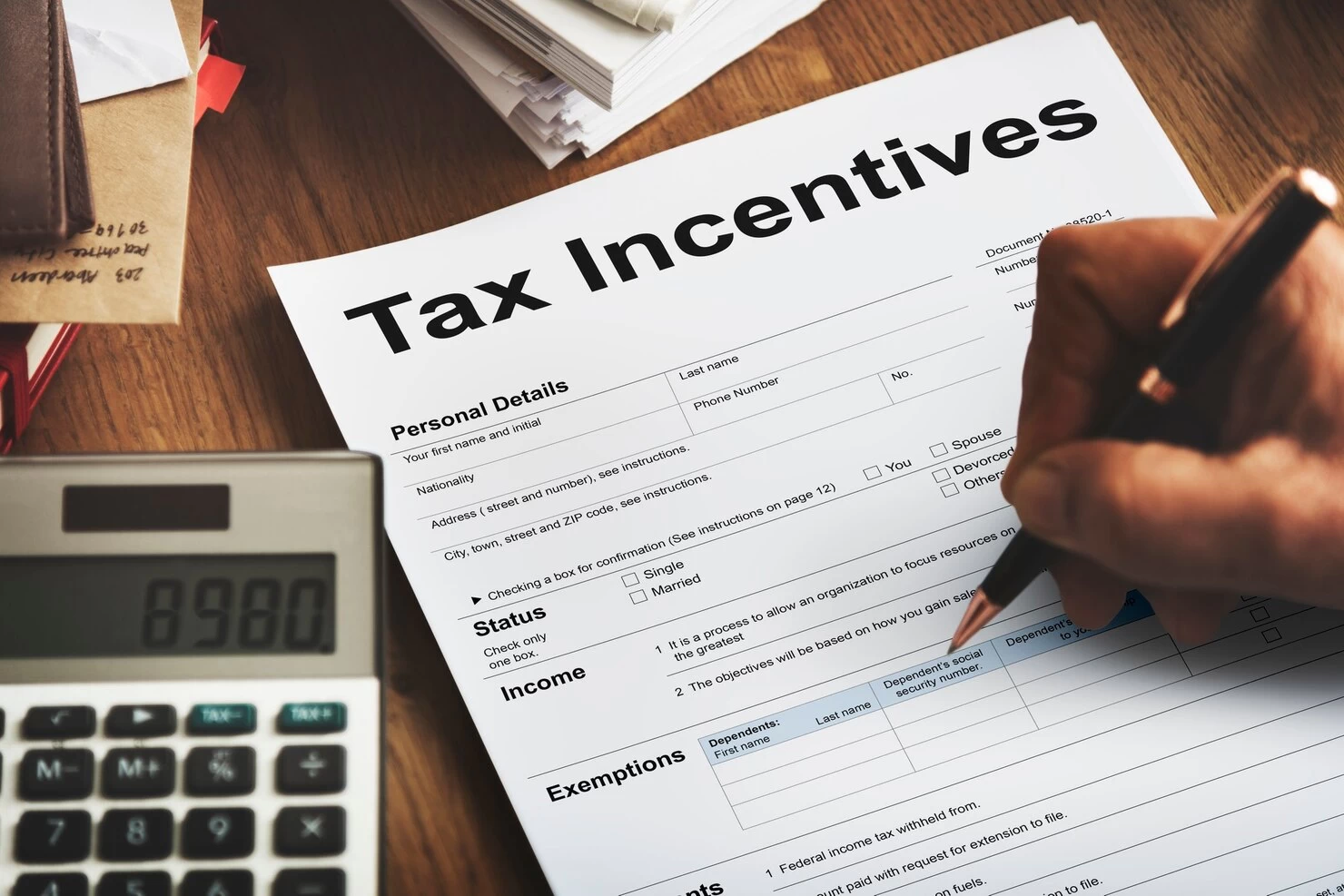
Many taxpayers overlook important tax deductions in 2026, leaving money unclaimed. Understanding the 2026 tax deductions available for individuals and small businesses can help you maximize your tax refund and reduce overall liability. From home office expenses to retirement contributions and small business write-offs, proper individual tax preparation and strategic small business tax filing are essential. Working with professional tax preparation services ensures full IRS tax compliance while applying smart tax planning strategies to capture every eligible deduction.
Every year, taxpayers leave money on the table simply because they are unaware of valuable tax deductions available to them. As we move through 2026, understanding which deductions apply to your situation can significantly reduce your taxable income and increase your refund.
Below, we break down commonly overlooked opportunities and explain how proper tax planning strategies can help you maximize savings while staying compliant with IRS regulations.
If you work from home and are self-employed, you may qualify for the home office deduction. However, many taxpayers either misunderstand eligibility rules or fail to calculate it correctly.
To qualify, the space must be used regularly and exclusively for business. Eligible expenses may include:
A portion of rent or mortgage interest
Utilities
Internet services
Home maintenance costs
When properly documented, this deduction can significantly lower your taxable income under small business tax filing rules.
Investing in yourself can also reduce your tax burden. Many taxpayers overlook deductions or credits related to:
Tuition and course fees
Professional certifications
Job-related training
Student loan interest
These benefits are especially valuable for professionals seeking career advancement. Including them during individual tax preparation ensures you don’t miss potential savings.
If you are self-employed, you may deduct health insurance premiums for yourself, your spouse, and dependents. This often-missed deduction directly reduces adjusted gross income.
Because eligibility requirements can vary, consulting a professional tax preparation expert helps ensure the deduction is applied correctly and maximized.
Contributions to retirement accounts such as IRAs or SEP-IRAs can provide meaningful tax benefits. In addition to strengthening your financial future, these contributions may reduce your taxable income for 2026.
Strategic retirement contributions are a powerful part of effective tax planning strategies, especially for business owners and freelancers.
Many taxpayers remember to deduct cash donations but forget about:
Clothing donations
Household items
Volunteer mileage
Out-of-pocket charity expenses
Accurate documentation is essential. Without receipts or valuation records, deductions may not qualify under IRS tax compliance standards.
If you use your vehicle for business purposes, you may deduct mileage or actual vehicle expenses. However, poor recordkeeping often leads to missed opportunities.
Maintaining a mileage log ensures your business tax preparation includes every eligible deduction.
In 2026, energy credits continue to benefit homeowners who invest in qualifying improvements such as:
Solar panels
Energy-efficient windows
HVAC upgrades
These incentives can provide credits rather than deductions, directly reducing the amount of tax owed.
Although deduction limits apply, many taxpayers fail to calculate state and local tax payments properly. Property taxes and certain state income taxes may still provide valuable benefits when structured correctly.
Proper review during individual tax preparation ensures compliance while maximizing allowable deductions.
Tax laws evolve frequently. As a result, relying solely on memory or outdated information increases the risk of missed savings. Additionally, inadequate recordkeeping and misunderstanding eligibility rules contribute to underclaimed deductions.
Working with a knowledgeable professional helps ensure accurate documentation, correct categorization of expenses, and alignment with current IRS guidelines.
Understanding which tax deductions apply to your situation can make a substantial difference in your final return. Whether you’re filing as an individual or business owner, careful preparation and proactive planning are essential.
With proper guidance, strong documentation, and strategic review, you can reduce liability, increase refunds, and stay fully compliant with federal and state regulations.
If you’re unsure whether you’re claiming every deduction available, seeking professional assistance may be the smartest financial decision you make this year.
Individual Tax Preparation in Boynton Beach, Florida Business Tax Preparation in Boynton Beach, Florida Small Business Tax Filing in Boynton Beach, Florida Quarterly Estimated Tax Payments in Boynton Beach, Florida Tax Planning Strategies in Boynton Beach, Florida Individual Tax Preparation in Delray Beach, Florida Business Tax Preparation in Delray Beach, Florida Small Business Tax Filing in Delray Beach, Florida Individual Tax Preparation in Lake Worth Beach, Florida Business Tax Preparation in Lake Worth Beach, Florida Individual Tax Preparation in Lantana, Florida Business Tax Preparation in Lantana, Florida Individual Tax Preparation in Ocean Ridge, Florida Individual Tax Preparation in Gulf Stream, Florida Individual Tax Preparation in Hypoluxo, Florida Individual Tax Preparation in Briny Breezes, Florida Individual Tax Preparation in Boynton Beach, Florida Business Tax Preparation in Boynton Beach, Florida Small Business Tax Filing in Boynton Beach, Florida Self-Employment Tax Filing in Boynton Beach, Florida Quarterly Estimated Tax Payments in Boynton Beach, Florida Tax Planning Services in Boynton Beach, Florida IRS Notice Assistance in Boynton Beach, Florida Amended Tax Returns in Boynton Beach, Florida Professional Tax Preparation in Boynton Beach, FloridaIndividual Tax Preparation in Delray Beach, Florida Business Tax Preparation in Delray Beach, Florida Small Business Tax Filing in Delray Beach, Florida Self-Employment Tax Filing in Delray Beach, Florida Quarterly Estimated Tax Payments in Delray Beach, Florida Tax Planning Services in Delray Beach, Florida IRS Notice Assistance in Delray Beach, Florida Amended Tax Returns in Delray Beach, Florida Professional Tax Preparation in Delray Beach, FloridaIndividual Tax Preparation in Lake Worth Beach, Florida Business Tax Preparation in Lake Worth Beach, Florida Small Business Tax Filing in Lake Worth Beach, Florida Self-Employment Tax Filing in Lake Worth Beach, Florida Tax Planning Services in Lake Worth Beach, Florida Professional Tax Preparation in Lake Worth Beach, FloridaIndividual Tax Preparation in Lantana, Florida Business Tax Preparation in Lantana, Florida Small Business Tax Filing in Lantana, Florida Tax Planning Services in Lantana, FloridaIndividual Tax Preparation in Ocean Ridge, Florida Business Tax Preparation in Ocean Ridge, Florida Professional Tax Preparation in Ocean Ridge, FloridaIndividual Tax Preparation in Gulf Stream, Florida Business Tax Preparation in Gulf Stream, Florida Professional Tax Preparation in Gulf Stream, FloridaIndividual Tax Preparation in Hypoluxo, Florida Business Tax Preparation in Hypoluxo, Florida Professional Tax Preparation in Hypoluxo, FloridaIndividual Tax Preparation in Briny Breezes, Florida Business Tax Preparation in Briny Breezes, Florida Professional Tax Preparation in Briny Breezes, Florida